Termite Tenting in Naperville, IL
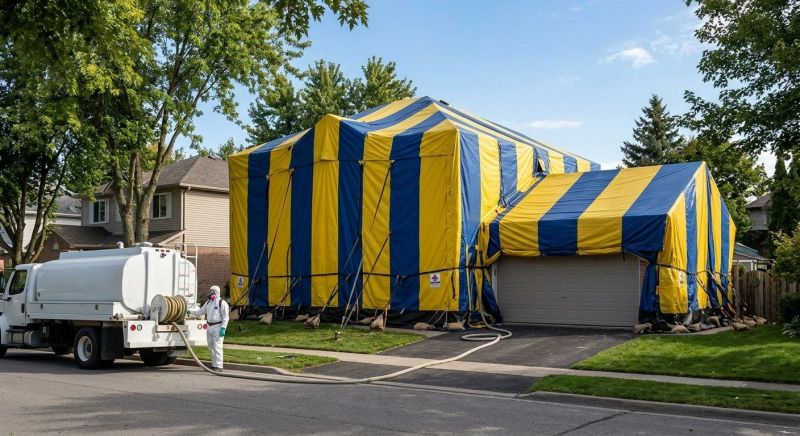
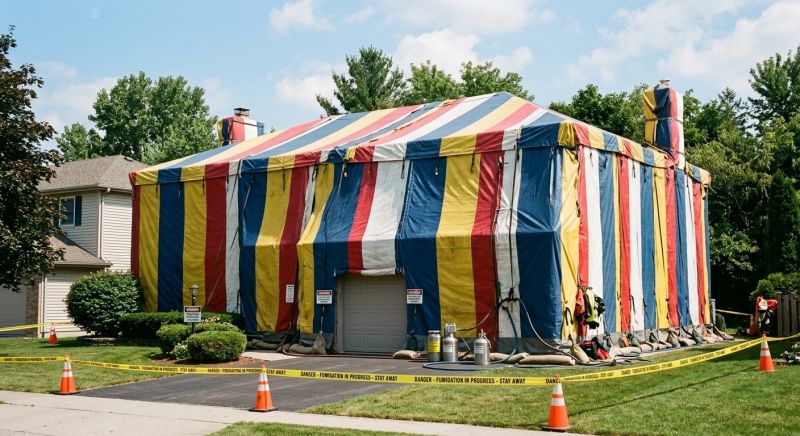
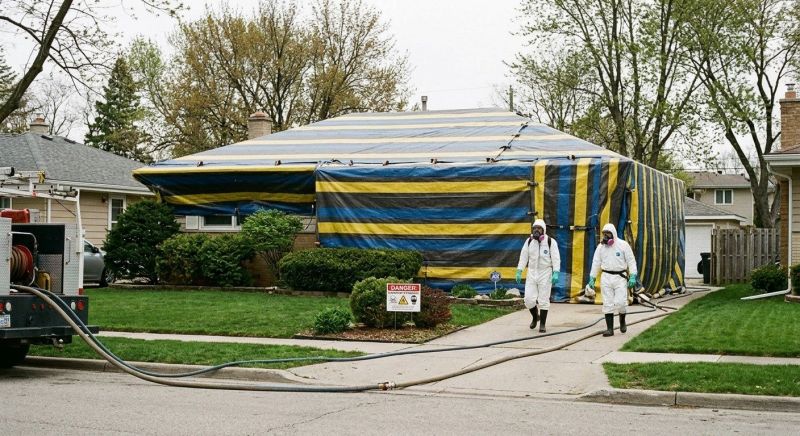
Termite tenting services involve the use of specialized equipment to treat properties infested with termites. The process typically includes covering the entire structure with a large tent and releasing a fumigant that penetrates wood, drywall, and other building materials to eliminate active termite colonies. This method is often chosen for severe infestations or when other treatments have proven ineffective, providing a thorough solution to protect the property from ongoing damage.
Homeowners considering termite tenting should understand that the process requires temporarily vacating the premises and removing or protecting sensitive items. It is important to evaluate the extent of the infestation and determine if tenting is appropriate for the property’s size and construction type. Additionally, property owners may want to inquire about preparation steps, safety precautions, and any necessary post-treatment inspections to ensure the effectiveness of the treatment and the safety of the home afterward.
Many property owners in Naperville, IL look into Termite Tenting for repairs, replacements, upgrades, and appearance-related improvements.

Termite Tenting Overview
A comprehensive treatment method that eliminates termites from residential and commercial properties.
Preparation And Safety
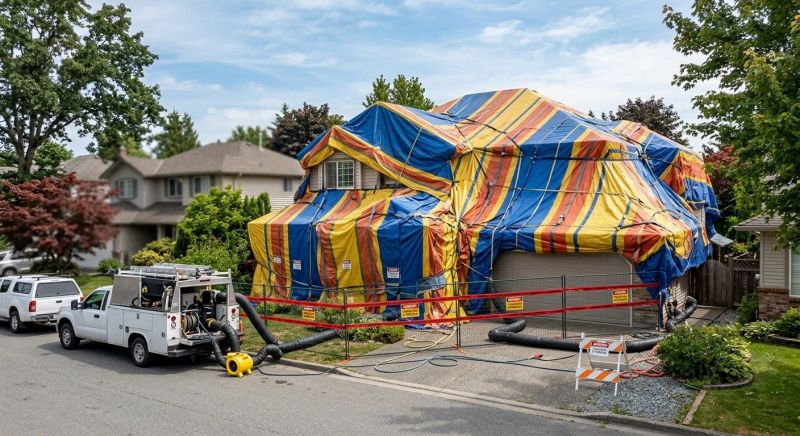
Proper preparation ensures effective treatment while maintaining safety for occupants and pets.
Post-Treatment Care
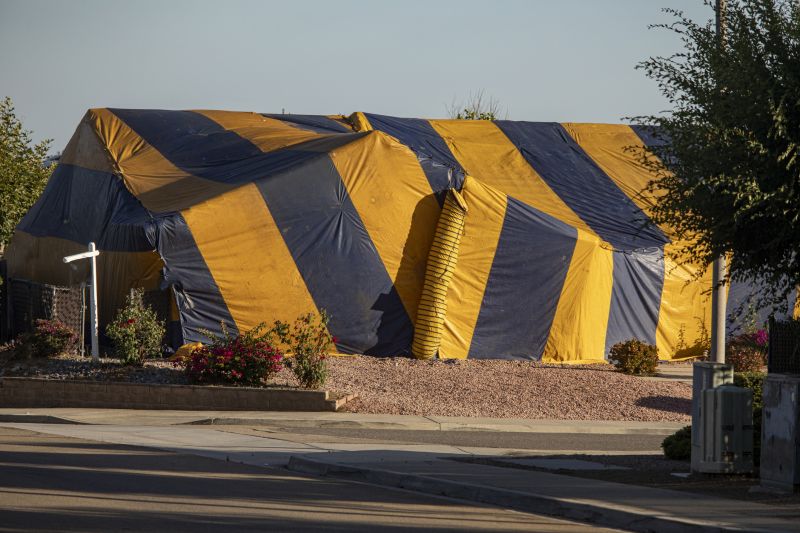
Guidance on re-entry and prevention helps protect properties in naperville and nearby areas.
Termite Tenting in Naperville, IL

Termite tenting services involve the use of specialized equipment to treat properties infested with termites. The process typically includes covering the entire structure with a large tent and releasing a fumigant that penetrates wood, drywall, and other building materials to eliminate active termite colonies. This method is often chosen for severe infestations or when other treatments have proven ineffective, providing a thorough solution to protect the property from ongoing damage.
Homeowners considering termite tenting should understand that the process requires temporarily vacating the premises and removing or protecting sensitive items. It is important to evaluate the extent of the infestation and determine if tenting is appropriate for the property’s size and construction type. Additionally, property owners may want to inquire about preparation steps, safety precautions, and any necessary post-treatment inspections to ensure the effectiveness of the treatment and the safety of the home afterward.
Many property owners in Naperville, IL look into Termite Tenting for repairs, replacements, upgrades, and appearance-related improvements.
Common Termite Tenting Jobs
Termite Tenting - a treatment method that involves enclosing a property to eliminate termites.
Infestation Removal - effective for addressing severe termite problems throughout the structure.
Pre-Construction Treatment - applied before building to prevent future termite issues.
Existing Structure Treatment - used to treat active termite colonies in homes and commercial buildings.
Property Inspection - identifies signs of termite activity and determines the need for tenting services.
Preventive Tenting - helps protect properties from future termite infestations.

Termite Tenting Questions
What is termite tenting? Termite tenting involves covering a property with a tent to safely apply fumigant for termite eradication.
When should property owners consider termite tenting? Tenting is typically recommended when there is a confirmed termite infestation that cannot be controlled with spot treatments.
How does the tenting process work? The property is sealed with a tent, then fumigant is released to penetrate wood and other materials to eliminate termites.
Are there preparations needed before termite tenting? Yes, belongings are usually removed from the property, and access points are secured to ensure effective treatment.
Request Termite Tenting in Naperville, IL
Use the quote form on this page to share the basics of your project and request more information for the type of work you need.